Exploring the Great Barrier Reef: Australia’s Premier Natural Wonder and Tourist Destination

Australia is a land of remarkable landscapes, vibrant cities, and rich cultural history, but one natural wonder stands out above the rest: the Great Barrier Reef. Stretching over 2,300 kilometers along the northeastern coast, the Great Barrier Reef is the largest coral reef system in the world. It is a UNESCO World Heritage site and one of the most visited tourist attractions in Australia. Whether you’re an adventurer, a nature lover, or simply looking for a unique travel experience, the Great Barrier Reef offers something for everyone.
A Glimpse into the Beauty of the Great Barrier Reef
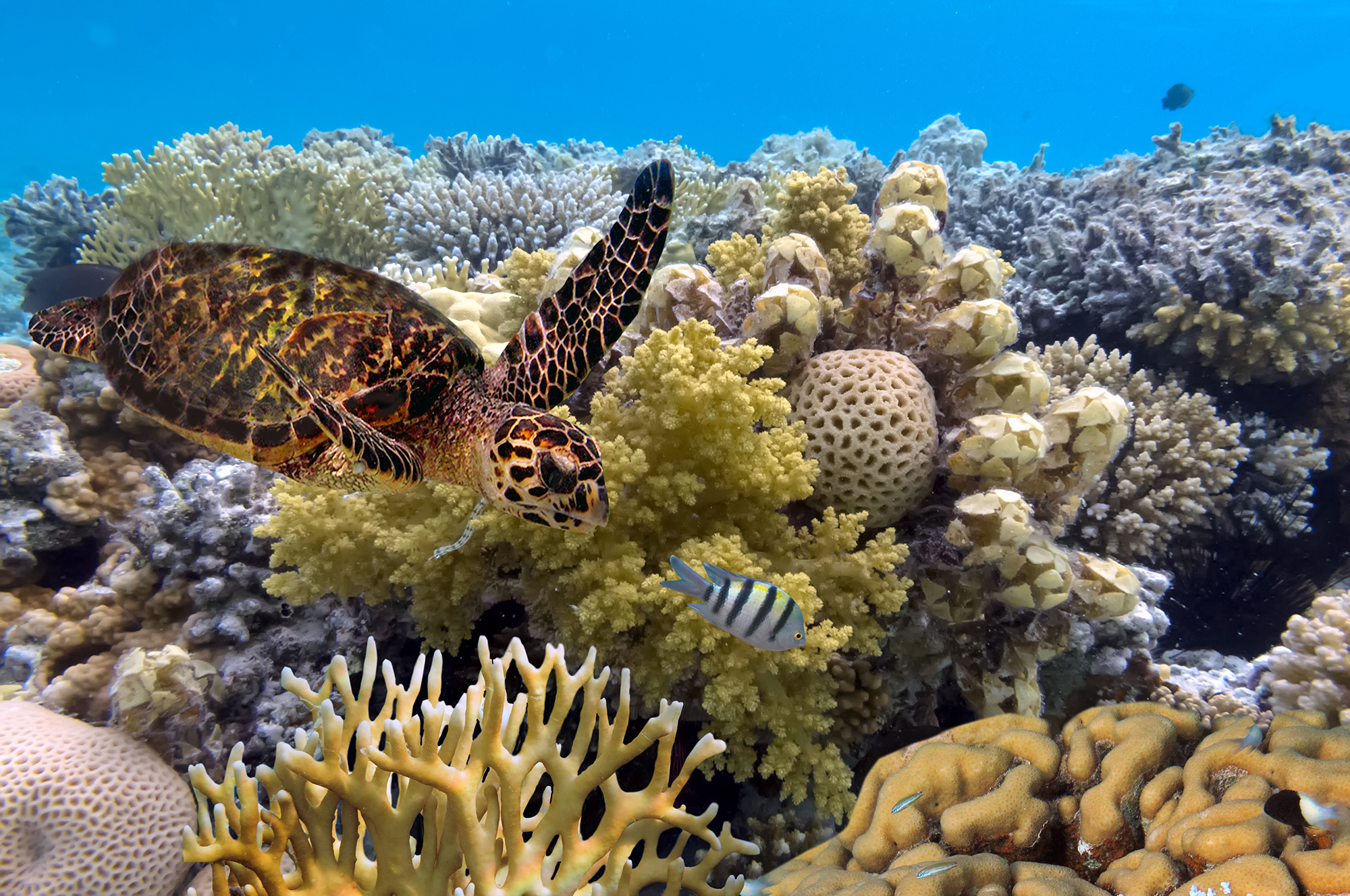
The Great Barrier Reef is composed of nearly 3,000 individual reefs and 900 islands, creating a stunning mosaic of underwater habitats. This vast ecosystem is home to a staggering diversity of marine life, including over 1,500 species of fish, 411 types of hard coral, and an array of mollusks, rays, and sharks. From the smallest sea creatures to the majestic humpback whales that migrate through the region, the reef is a living testament to the beauty and complexity of our natural world.
For first-time visitors to Australia, the Great Barrier Reef represents an unparalleled opportunity to witness one of the planet’s most spectacular natural phenomena. The reef’s vibrant coral gardens and crystal-clear waters provide a mesmerizing backdrop for snorkeling and diving adventures, offering a window into a world that feels almost otherworldly.
The Great Barrier Reef as a Top Tourist Destination
Tourism is a significant part of the Great Barrier Reef's identity. Each year, millions of visitors flock to the reef to experience its beauty firsthand. Whether you’re looking to dive deep beneath the waves or explore the coastline, the reef offers a variety of activities that cater to all types of travelers.

Snorkeling and Diving
Snorkeling and diving are undoubtedly the most popular ways to explore the reef. The reef’s warm, clear waters provide ideal conditions for observing marine life up close. Beginners can enjoy guided snorkeling tours, which often include stops at several key reef sites, where the water is shallow enough to see coral formations and colorful fish without diving too deep. More experienced divers can take advantage of the numerous dive sites that offer a chance to explore shipwrecks, swim alongside turtles, and even encounter reef sharks.
Island Hopping
The Great Barrier Reef is dotted with picturesque islands, each offering its own unique attractions. Some islands, like Hamilton Island, boast luxurious resorts and vibrant nightlife, making them perfect for those who want to combine relaxation with adventure. Others, like Lady Elliot Island, are known for their eco-friendly accommodations and proximity to prime snorkeling spots. Island hopping allows visitors to experience the diversity of the reef, from secluded beaches to bustling tourist hubs.
Great Barrier Reef Cruises
For those who prefer to stay dry, a cruise around the reef is an excellent option. Cruises range from half-day excursions to multi-day voyages, offering a leisurely way to take in the scenery. Glass-bottom boats provide a unique perspective on the underwater world, allowing visitors to see the reef’s vibrant marine life without getting wet. Some cruises also include opportunities for snorkeling or visiting nearby islands.
Helicopter and Seaplane Tours
For a truly unforgettable experience, consider taking a helicopter or seaplane tour over the reef. From the air, the sheer scale and beauty of the reef become apparent, with the vibrant colors of the coral and the turquoise waters creating a breathtaking panorama. These tours often fly over iconic sites like Heart Reef, a naturally formed coral formation in the shape of a heart, which is a favorite among visitors.
The Ecological Significance of the Great Barrier Reef
While the Great Barrier Reef is undoubtedly a top tourist destination, it is also a critical natural wonder with immense ecological importance. As the largest coral reef system in the world, the reef plays a vital role in supporting marine biodiversity. It provides habitat and food for thousands of species, many of which are found nowhere else on Earth.
The reef also acts as a natural barrier, protecting the Queensland coastline from powerful ocean swells and storms. This natural defense helps prevent coastal erosion and provides a buffer against the impact of severe weather events.
Moreover, the Great Barrier Reef is an essential component of the global carbon cycle. Coral reefs, including the Great Barrier Reef, absorb large amounts of carbon dioxide from the atmosphere, helping to regulate the Earth’s climate. However, this delicate ecosystem is under threat from climate change, pollution, and overfishing, making conservation efforts all the more critical.
Preserving the Great Barrier Reef for Future Generations
Given its ecological importance and its value as a tourist destination, preserving the Great Barrier Reef is a global priority. The reef faces numerous challenges, including coral bleaching, which is caused by rising ocean temperatures, and damage from human activities such as fishing and tourism.
Thankfully, there are numerous initiatives in place to protect the reef. The Australian government, along with various environmental organizations, has implemented measures to reduce pollution, limit fishing in sensitive areas, and promote sustainable tourism practices. Visitors to the reef can also play a role in its preservation by choosing eco-friendly tour operators, following guidelines to avoid damaging coral, and supporting conservation efforts.
Tips for Visiting the Great Barrier Reef
If you’re planning a trip to the Great Barrier Reef, here are a few tips to help you make the most of your visit:
Choose the Right Time of Year: The best time to visit the Great Barrier Reef is during the dry season, from June to October, when the weather is mild and the water visibility is at its best.
Book Early: The Great Barrier Reef is a popular destination, so it’s a good idea to book your tours and accommodations well in advance, especially during peak season.
Pack Smart: Don’t forget to bring reef-safe sunscreen, a hat, and sunglasses to protect yourself from the sun. If you plan on snorkeling or diving, consider bringing your own gear, though rentals are widely available.
Respect the Environment: Follow all guidelines provided by your tour operator, and be mindful of your impact on the reef. Avoid touching the coral, as it is fragile and can be easily damaged.
Explore Beyond the Reef: While the Great Barrier Reef is a must-see, consider spending some time exploring other parts of Queensland, such as the Daintree Rainforest or the Whitsunday Islands.
Conclusion
The Great Barrier Reef is a true marvel of nature, offering visitors a chance to experience one of the most unique and beautiful ecosystems on the planet. Whether you’re snorkeling among the coral, cruising through the islands, or taking in the view from above, the reef provides endless opportunities for adventure and discovery. As you plan your visit, remember to respect this fragile environment and contribute to the efforts to preserve it for future generations. The Great Barrier Reef is not just a tourist destination; it’s a natural wonder that deserves our protection and admiration.


Comments
Post a Comment